
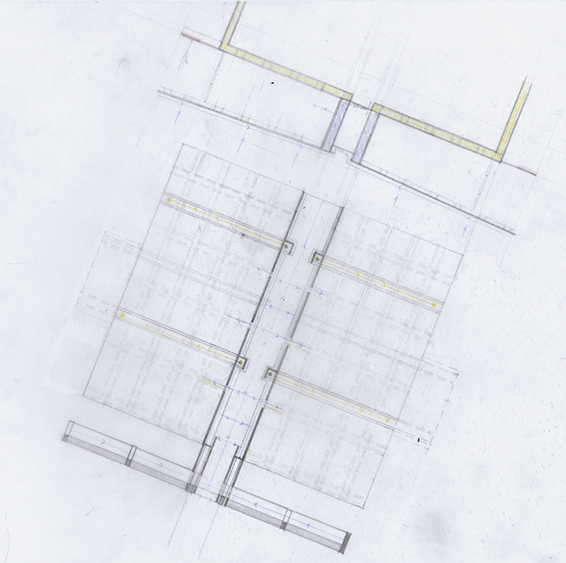
The Atacama is a Desert region stretching from Peru’s southern border into northern Chile. In Chile this region is known as San Pedro de Atacama and is designated the driest dessert on earth. These areas known as ‘absolute desert’, so arid that little or no life can exist, within them. The altitude and topography together with the presence of water, determine to a large extent, what areas humans and various species of plants and wildlife can survive within. In most cases it is he ability of a species to adapt to the severity of the environment that determines, its success or failure. The balance between an ecosystem and a species, how many it can support and where they inhabit is a negotiated, a cause and effect relationship, between a species and its’ environment. Some adaptions are cultural learning or based in experience, some are biological and others occur within the environment itself. All these adaptions to ‘place’ enable plant, animal and human beings to dwell within a given landscape. This direct knowledge has come about from centuries of negotiation, and through an understanding of the earth and its resources by direct observation, from the earth and from the plants and animals that also inhabit it. In the small oases villages and hill towns in this region this knowledge of how to live in harmony with the land is still being utilized. In the face of rapid change, how this knowledge of the earth and its’ resources can be kept alive and yet adapted to ensure that these communities can develop without desertification and threatening the ecosystem.
Note to see full article:
http://aridjournal.com/water_resources_catherine-ann-somerville-venart/
or Contact Author for Original/Detail Images and Texts

 iipinternationalideapoolforarchitectureandurbandesign.org