
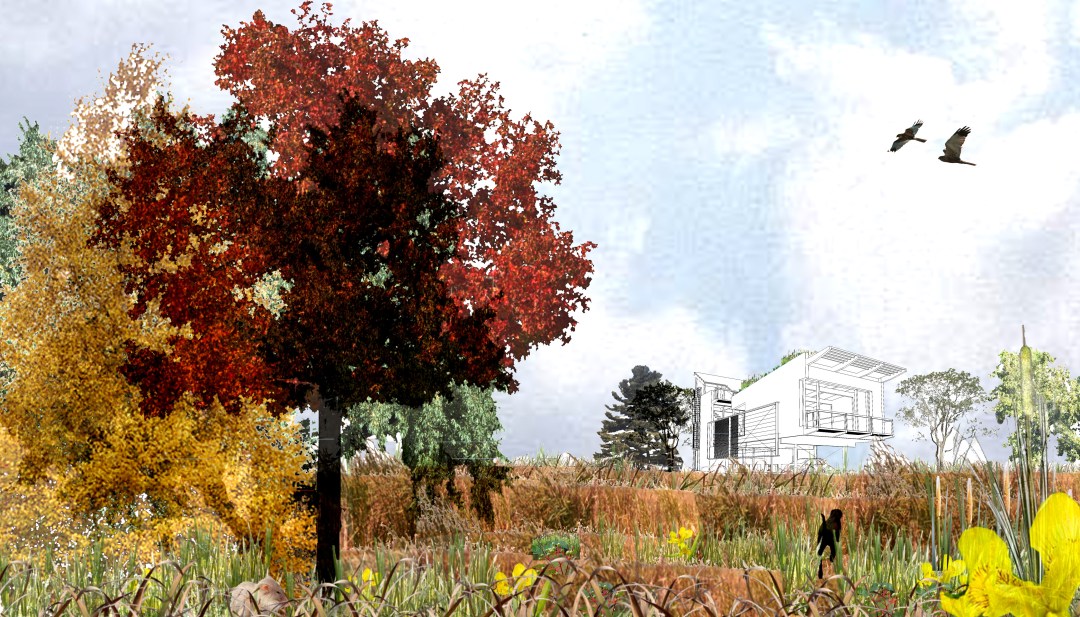
Archetype Competition, Design Exchange-DX Toronto ON CA, Completed in April 2006.
Honorable Mention ‘Architectural Beauty”
Exhibited DX April06 & Jan07 IDEX Toronto
Published CanadianArchitect July06
Team: Team Lead Architektin(Catherine Venart); Architect (Naomi Frangos); Mechanical Engineer (Trevor Butler); Architect Landscape Architect (Juliette Patterson); Interior Designers (Etienne Lemay); Sustainable Materials Expert (John E. Fernadndez) and Dalhousie students (Jane Abbott, Jennifer Lau, and Mark Lee).
The Suburban house is an urban morphology, based on the ideals inherent in the cultural ideals of the American Dream and is essentially based on an idealized family life. The suburb was a place where the family – that is father, mother and children – could be safe from the ‘evils of the City’ – surrounded by open space and nature. It was to up hold both cultural and community values, which when one purchases a house and lot, one buys into and conforms to these values. For example: certain configuration, in the appearance of the exterior – its’ cladding, the number and placement of trees, a two car garage, a fence…etc. This structures both land development patterns, the home environment and behavior. This has become both a serial environment for the upbringing of children as well as an isolated experience for the many inhabitants who live there!
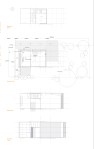
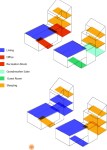
This prototype calls for the reintegration of the suburban house. It does this on two levels 1. In terms of our present cultural values, through reestablishing community: Acknowledging not only the atypical family structure, but also the single parent or joint custody families, an aging population and the various stages of a child’s development (education). There is an importance of acceptance and
integration of all types of living or phases of life for the well being of the community and its future generations. 2. In terms of our natural habitat, the recognition of our deep connection to the wilderness is embedded in the North American psyche. This connection to the wilderness roots from ideas such as: the cabin in the woods, being one with nature, camping and the independence or self-sustainability that these models hold. These values are what we, as a culture, drive our independent and individual nature.
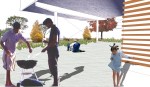
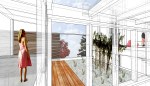
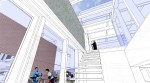
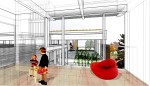
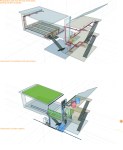
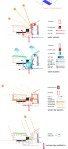
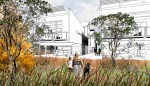
Our scheme reintegrates both cultural values and ideas of wilderness found in the SUSTAINABLE DREAM. ‘Being one with nature’ through using natural processes to drive the machine for living, the 13%+ House becomes background to nature and living, by framing with sectional views of nature which allowing one to not only LIVE but BE ONE WITH NATURE, i.e. live simultaneously in the SUBURBAN WILD!
Note: Contact Author for Original/Detail Images and Texts

 iipinternationalideapoolforarchitectureandurbandesign.org